

Bone Grafting for Dental Implants
Bone grafting for dental needs is a special medical procedure that helps fix problems with jaw bones or joints.
If someone loses a tooth or has periodontal disease, they might lose some bone in their jaw. A dental bone graft procedure can help replace this missing bone, providing solid support for dental implants. This process uses bone graft material, which can come from the patient’s own body or a donor or be made synthetically, to promote new bone growth where it’s needed.
Have you lost bone density in your jaw? Do you have pain in your teeth because of it? Oftentimes, people need a bone graft to regenerate bone material before they can get a dental implant.
Call us now at (785) 273-2922 to schedule your completely FREE, no-obligation consultation at Topeka ProDental to get the amazing smile you deserve.
What Is Bone Grafting?
Bone grafting is a surgical procedure that’s designed to fix issues with bones by repairing or rebuilding them. It involves placing a material, known as bone graft material, into spaces where bone is missing or needs help to heal and grow. This material can be taken from your own body, from a donor, or it could be a naturally occurring mineral or synthetic substance.
The goal of bone grafting is to provide a scaffold where new, healthy bone can grow over time, restoring strength and functionality. This technique is commonly used in dentistry for dental implants and to address bone loss, but it also has applications in other areas of medicine, such as orthopedics, to help heal fractures and fill in defects.
Why Do I Need a Bone Graft for a Tooth?
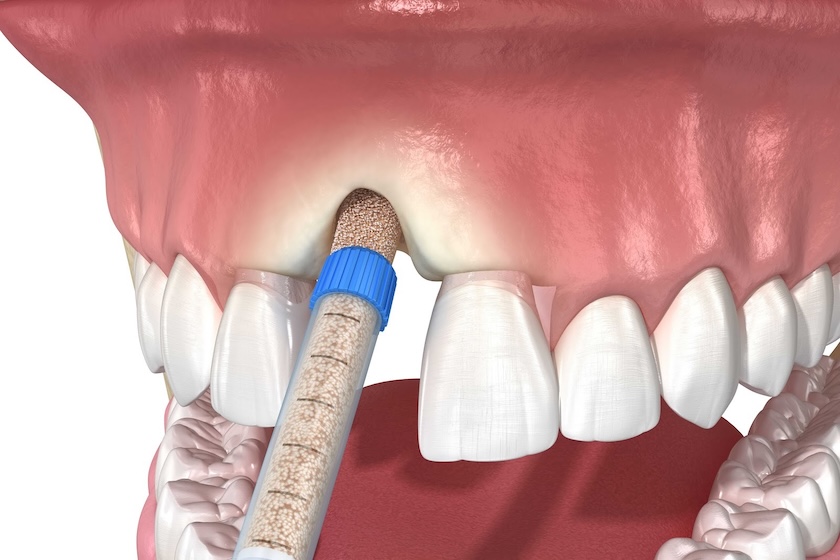
When it comes to dental implants, having a strong and healthy jawbone is crucial for the success of the implant. If your jawbone has suffered from bone loss, perhaps due to tooth loss or periodontal disease, a dental bone graft becomes an essential step before proceeding with the implant placement.
The bone grafting procedure for dental implants involves adding bone graft material to the area of the jaw where the bone is missing. This can help create a more solid base for the dental implant, ensuring that it has enough bone support to function just like a natural tooth.
How Does a Dental Bone Grafting Procedure Work?
At Topeka ProDental, the bone grafting procedure is conducted with utmost care and precision. Our oral surgeon will assess the amount of your bone loss. They will then determine the most suitable bone graft material for your situation. This could be from your own body (autograft), a donor (allograft), synthetic materials, or a mix of these options.
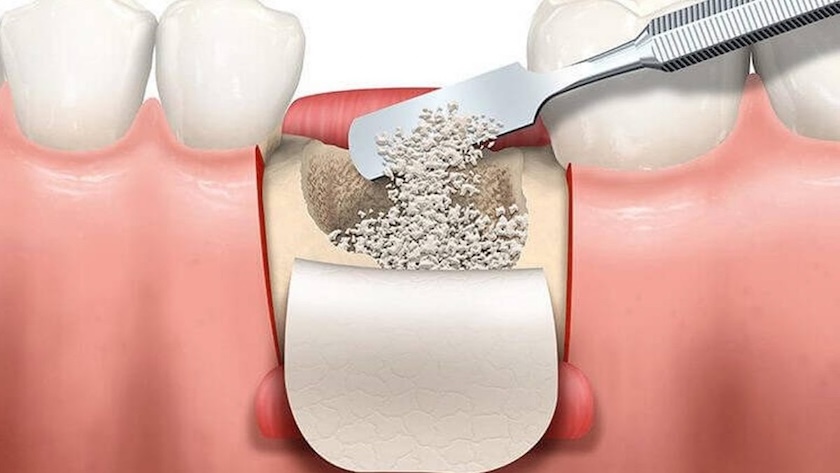
The first step is to prepare the area where the bone graft is needed. This is typically done under the gum tissue in the jaw. Tooth extraction and the placement of a dental implant may require this procedure.
What ever type of graft is chosen, it is carefully placed into the area you need it. Our team ensures the material fits perfectly, optimizing the conditions for new bone growth.
Over time, this graft material helps facilitate the growth of new, healthy bone where bone loss has occurred. This process not only replaces missing bone but also provides a sturdy foundation for dental implants, ensuring their stability and longevity.
The Benefits of Bone Grafting
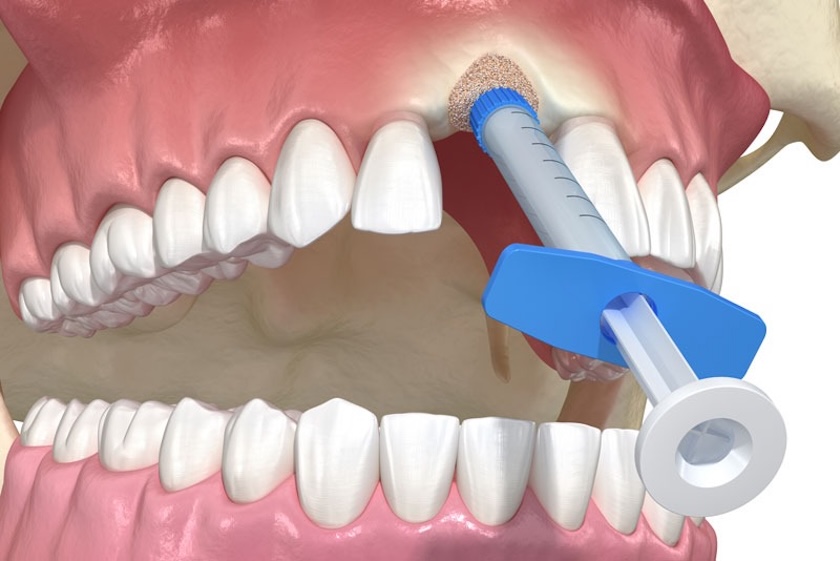
Bone grafting offers several benefits, especially related to dental health and the overall success of dental implants. Some of these advantages include:
- Prevention of Further Bone Loss: Your jawbone can deteriorate after tooth loss or damage. A bone graft helps prevent this by stimulating bone growth.
- A Stable Base for Implants: Dental implants need a strong foundation to be successful. Bone grafting provides this solid base.
- Improved Facial Structure: Loss of your jawbone can lead to changes in facial structure, making you look older. Bone grafts help maintain the natural shape of your face.
- Increased Success Rate of Dental Implants: Regenerating sufficient bone growth increases the success rate of your dental implants.
- Improves Oral Health: Bone grafting can help support implants and prevent future dental issues, leading to better overall health.
After Treatment Care and What To Expect
It is imperative that bone tissue around the graft site is given the chance to heal properly, which involves:
Post-Procedure Care: Immediately after your procedure, you may experience swelling, bruising, and discomfort around the treated area. Ice packs and pain relievers can help manage these symptoms. It’s also crucial to avoid any pressure on your graft site during the initial healing phase.
- Oral Hygiene: Maintaining good oral hygiene is essential. However, patients should avoid direct brushing on the graft site. Instead, gentle rinsing with antiseptic mouthwash or salt water is recommended to help prevent infection.
- Eating Habits: A soft diet is advised for the first few days to weeks after your procedure. Avoiding hard, crunchy, or sticky foods can prevent irritation or damage to the graft site.
- Follow-Up Visits: Regular check-ups are important. These allow our dental team to monitor your healing process, make sure your graft integrates well with the natural bone, and determine when to proceed with the next steps, such as placing dental implants.
What To Expect
The healing process after a bone graft can vary depending on the individual, the extent of the bone graft surgery, and the type of bone grafting material used. Generally, you can expect:
- Initial Healing Phase: The first few weeks after your procedure are crucial for the success of your graft. You might experience discomfort and swelling, but these symptoms should gradually subside.
- Bone Integration: Over the next several months, the grafted material will begin to fuse with your natural bone in a process called osseointegration. This is a gradual process that can take several months to complete.
- Final Outcome: Once your grafted bone has successfully integrated with your natural bone, it will provide a stable and durable foundation for dental implants. The timing for placing implants varies, with some cases ready in as little as 4-6 months, while others may need more time.
Setting realistic expectations and following the aftercare instructions closely are pivotal for the successful bone healing process and the overall success of your bone grafting procedure.
Choosing the Right Surgeon for Bone Grafting
Choosing the right oral surgeon for your bone graft is important for the success of your dental implant procedure. At Topeka ProDental, Dr. Jason Weber stands out as a leading expert in his field, specializing in bone grafting techniques.
Dr. Weber has lots of experience and cares about giving personalized care to each patient. He stands out for his skill and dedication to using the newest technology in the field. He knows how important it is to be precise when doing bone grafting. He uses advanced imaging and biomaterials to improve the results of his procedures.
Dr. Weber believes in a patient-centered approach. He takes the time to discuss all available options, ensuring you are well-informed and comfortable with your treatment plan.
Ready to Transform Your Smile?
Don’t wait any longer to achieve the healthy, vibrant, amazing smile you deserve.
Call us now at (785) 273-2922 to schedule your completely FREE, no-obligation consultation at Topeka ProDental to get the amazing smile you deserve.
Also, feel free to visit us at 2930 SW Wanamaker Drive, Suite 7, Topeka, Kansas. Whether you need bone grafting, dental implants, or any other dental health services, Dr. Weber is ready to guide you with expert care and precision. Call now and take the first step toward better health and your confident, charismatic new smile.